
CYFAM Research Symposium 2027: Call for Abstracts
Mabuhay! CYFAM will be hosting its Research Symposium at the Seventh Annual National Conference this coming February 2027 in San Diego, CA. This is an excellent opportunity to discuss your research amongst your fellow peers, colleagues, and mentors.
- Oct 9 to Nov 13 Abstract submissions Open Friday, October 9, at 12:00 PM PT. Close Friday, November 13, at 11:59 PM PT.
- Nov 16 to Dec 11 Judge panel evaluations A panel of judges reviews every abstract.
- Fri, Dec 18 Presenters notified Selected oral and poster presenters hear back by email.
- Fri, Jan 29 Confirm intent to present Deadline for all selected presenters, 11:59 PM PT.
- Feb 13 to 14 CYFAM National Conference 2027 San Diego, CA
Overview
The CYFAM Research Division is accepting abstracts from the fields of (a) basic science, (b) clinical/translational, (c) public health, and/or (d) social health and history, especially those pertaining to Filipinx health.
- Basic Science
- Clinical/Translational
- Public Health
- Social Health and History
Social Health and History and Public Health share many topics. Choose Social Health and History if your work primarily explains why health inequities exist, through social, structural, cultural, or historical analysis. Choose Public Health if your work primarily measures health outcomes or evaluates interventions and programs. The review committee may reassign abstracts to the best-fitting category.
Who can apply
We are seeking abstracts from researchers of all backgrounds and career stages. Undergraduates, graduate and professional students, trainees, clinicians, faculty, community health workers, and independent researchers are welcome to apply.
Accepted submissions are
- Considered for poster presentation, oral presentation, or both;
- Evaluated for abstract and presentation awards;
- Recognized in the Conference Proceedings and online platforms.
Presenting authors with accepted abstracts are required to register for the conference once it opens.
Abstract Guidelines
Use the Word template and follow the format below. Abstracts are limited to 250 words.
| Length | 250 words maximum |
|---|---|
| Title | 12-point Times New Roman, centered, bolded |
| Authors | Presenting author name bolded, affiliations indicated with superscript, and post-nominal doctoral initials (where applicable): 10-point Times New Roman, left-aligned |
| Affiliations | Indicate country if outside U.S.: 10-point Times New Roman, left-aligned, italicized |
| Abstract body | States the problem, the methods used, and the major results and conclusions. Single-spaced in 10-point Times New Roman, justified. No bullets or lists, and any acronyms used must first be defined. |
| Work in progress | If your project is not yet complete, you may still include preliminary results or your hypotheses about what those results will be. |
| Keywords | 3 to 4 chosen by author, broad topics that represent your content |
| File | Word document (.docx) named Last Name_First Name_CYFAM-Abstract-2027 |
What you'll need for the form
- Your abstract as a Word document (.docx), named as shown above
- Abstract title, research type, and research field
- Three keywords, plus an optional fourth
- Your presentation preference: poster, oral, or both
- Optional: links to any publication of the project, and a headshot (JPG, JPEG, or PNG) named Last Name_First Name_Headshot-2027
Read the 2026 Best Abstract Award recipient and other award-winning abstracts in Past Research Symposia, below.
Presenting
In person or virtual
Presenters based in North America are expected to attend and present in person at the conference. Selected presenters based outside North America may present at the Research Symposium virtually.
After you're selected
- Watch your email. Selected oral and poster presenters will be notified by Friday, December 18, 2026.
- Confirm your intent to present by Friday, January 29, 2027, at 11:59 PM PT.
- Register for the conference once registration opens. Presenting authors with accepted abstracts are required to register.
- Optional: if you consented on the form, email a JPG, PNG, or PDF copy of your poster or a graphical abstract to research@cyfam.org after you are accepted.
Awards
Accepted submissions are evaluated for abstract and presentation awards. Honors include:
- Best Abstract Award
- Judges' Choice Abstract in Public Health Research
- Judges' Choice Abstract in Basic Research
- People's Choice Award
Among others.
Read award-winning abstracts from 2024, 2025, and 2026 in Past Research Symposia, below.
Frequently Asked Questions
Submitting
Who can submit?
We are seeking abstracts from researchers of all backgrounds and career stages. Undergraduates, graduate and professional students, trainees, clinicians, faculty, community health workers, and independent researchers are welcome to apply.
What research types are accepted?
Basic Science, Clinical/Translational, Public Health, and Social Health and History.
Does my research have to focus on Filipinx health?
No, but it is strongly encouraged. If your project relates to Filipinx health or health disparities, the form has an optional space to briefly explain how.
Should I choose Public Health or Social Health and History?
Choose Social Health and History if your work primarily explains why health inequities exist, through social, structural, cultural, or historical analysis. Choose Public Health if your work primarily measures health outcomes or evaluates interventions and programs. The review committee may reassign abstracts to the best-fitting category.
What format should my abstract follow?
Use the Word template on this page. Abstracts are limited to 250 words in 10-point Times New Roman. See Abstract Guidelines for the full requirements.
Can I submit preliminary results?
Yes. If your project is not yet complete, you may still include preliminary results or your hypotheses about what those results will be.
What is the deadline?
Friday, November 13, 2026, at 11:59 PM PT.
Selection and presenting
How are abstracts reviewed?
A panel of judges evaluates abstracts from November 16 to December 11, 2026.
Can I choose oral or poster?
You can share your preference on the form: poster, oral, or both. The review committee makes the final decision.
When will I hear back?
Selected oral and poster presenters will be notified by Friday, December 18, 2026.
What happens after I'm selected?
Confirm your intent to present by Friday, January 29, 2027, at 11:59 PM PT, and register for the conference once registration opens.
How long is an oral presentation?
About 15 minutes, subject to change.
What size should my poster be?
36 × 48 inches (3 × 4 feet), in landscape orientation.
Can I present virtually?
Virtual presentation is available only to selected presenters based outside North America. Presenters based in North America are expected to attend and present in person.
Awards and recognition
Are there awards?
Yes. Honors include the Best Abstract Award, Judges' Choice Abstract in Public Health Research, Judges' Choice Abstract in Basic Research, and the People's Choice Award, among others.
Where will my work appear?
Accepted submissions are recognized in the Conference Proceedings and online platforms, based on the consent options you choose on the form.
Do my consent answers affect selection?
No. Your consent responses will not be used in the judging process and will not affect symposium inclusion.
When do I send a poster file?
If you consent to sharing your poster or a graphical abstract with attendees, email a JPG, PNG, or PDF copy to research@cyfam.org upon confirmation of abstract acceptance in mid-December 2026.
Contact
Who do I contact with questions?
Research-related inquiries may be directed to research@cyfam.org. Other conference-related inquiries may be directed to conference@cyfam.org.
Call for Judges
[Add the approved judge call text here before setting JUDGE_URL.]
Questions?
National Research Committee
Research-related inquiries: research@cyfam.org
- Gabriel Ordonez · Senior Chair
- Myka Salvacion · Chair
- Daniel Villosis · Chair
Conference Committee Co-Chairs
Other conference-related inquiries: conference@cyfam.org
- Manny Aquino
- Megan Lloren
- Sophia Soriano
- Marie Mina
- Keo Sarno, MD, MBA
- Shaira Gail Santos, MS
Past Research Symposia
Explore award-winning abstracts, presenters, and judges from recent CYFAM Research Symposia.
2026 Research Symposium
- 22 presentations
- 15 judges
- 4 awards featured
Award recipients
Scheduled feeding improves behavioral outcomes and reduces inflammation in a mouse model of Fragile X syndrome
Presented by Sophia Anne Marie B. Villanueva, University of California Los Angeles · Oral presentation
Read the abstract
- Molecular, Cellular, Integrative Physiology Graduate Program, University of California Los Angeles
- Integrated Biology and Physiology Program, University of California Los Angeles
- Department of Psychiatry & Biobehavioral Sciences, David Geffen School of Medicine, University of California Los Angeles
- Department of Pathology and Laboratory Medicine, David Geffen School of Medicine, University of California Los Angeles
Fragile X syndrome (FXS) is a neurodevelopmental disorder caused by the abnormal expansion of CGG repeats in the fragile X mental retardation 1 (FMR1) gene and characterized by sleep disruptions in patients. We sought to explore these symptoms along with the possible benefits of a scheduled feeding intervention using the Fmr1 knockout (KO) mouse model. These mutants demonstrated both sleep and circadian disturbances. Furthermore, they exhibited deficits in their circadian behavioral response to light with reduced masking, resetting to 6 hr shifts in the LD cycle, altered synchronization to a skeleton photoperiod, and lower magnitude light-induced phase shifts of activity rhythms. Investigation of the retinal input to the surprachiasmatic nucleus (SCN) with the neurotracer cholera toxin (β subunit) and quantification of the light-evoked cFos expression in the SCN revealed an abnormal retinal innervation of the SCN in the mutants, providing a possible mechanistic explanation for the observed behavioral deficits. Disruptions in social and repetitive behavior correlated with sleep duration and fragmentation. Understanding this, we applied a scheduled feeding regimen (6-hr/18-hr feed/fast cycle) as a circadian-based strategy to boost circadian rhythms independently of light. This significantly improved the activity rhythms and sleep in the mutants. The scheduled feeding ameliorated social interactions and reduced repetitive behaviors as well as the levels of Interferon-gamma and Interleukin-12 in the mutants. Collectively, this work suggests that timed eating may be an effective way to reduce inflammation and adds support to developing circadian-based interventions to help with symptoms of neurodevelopmental disorders.
Keywords: circadian rhythms, Fragile X syndrome, neurodevelopmental disorders, time restricted feeding
Engineering Health Equity through Artificial Intelligence (AI): A Multilingual, Accessible AI Framework for Culturally Responsive Health Education in the Filipino Diaspora
Presented by John Maher, Filipino Young Leaders Program (FYLPRO), Tayo Help · Oral presentation
Read the abstract
- Filipino Young Leaders Program (FYLPRO), Tayo Help; The United States of America
The delivery of equitable healthcare to the Filipino diaspora is currently obstructed by a complex interplay of systemic exclusion and disproportionate disease burden. Furthermore, clinical disparities are significantly exacerbated by a digital divide that is driven by a systemic reliance on English or Tagalog speaking ability, thus alienating people who speak regional Filipino dialects while simultaneously neglecting the accessibility requirements of elderly and Limited English Proficient users living in multi-generational households. To dismantle these structural barriers, this study introduces "ChatTayo," a multilingual conversational tool that retrieves and translates verified public health information into Tagalog, Ilocano, and Bisaya. Functioning as a secure resource for pre-clinical education, the system allows users to ask natural language questions about health topics and receive accurate, evidence-based responses grounded in official medical protocols, powered by the Claude Sonnet Large Language Model (LLM). We validated this architecture by benchmarking LLMs against specific cultural-linguistic criteria. This validation included optimizing for the naturalistic code-switching behavior known as "Taglish" rather than rigid, formal translation. Mixed-method user testing utilizing the System Usability Scale revealed a critical insight for clinical AI deployment: while an empathetic, culturally attuned persona significantly enhanced user engagement, participants identified the transparency of verifiable data sourcing and citations, and not merely conversational fluency, as the definitive driver of trust. Accordingly, what our research suggests is that effective health equity interventions must transcend simple translation to embrace holistic systems that integrate rigorous evidence verification with deep, culturally specific linguistic adaptation.
Keywords: Health Equity & Disparities, AI Accessibility & Inclusive Design, Multilingual Health Informatics, Clinical-Translational Technology
The Locus Coeruleus as a Direct Neural Modulator of Breast Cancer
Presented by Luis-Jaime Caseñas, Cancer Center, Cold Spring Harbor Laboratory; Department of Psychology, Stony Brook University · Oral presentation
Read the abstract
- Cancer Center, Cold Spring Harbor Laboratory
- Department of Psychology, Stony Brook University
- Graduate Program, Cold Spring Harbor Laboratory School of Biological Sciences
Dysfunction of the nervous system plays a role in many diseases, including cancer. Reciprocally, cancer elicits dysfunction of physiological systems to promote its growth. Through mechanisms including dysregulation of homeostatic processes and neuroimmune modulation, the nervous system and cancer are deeply linked. One such link involves sympathetic nervous system activity and peripheral tumor progression. This project investigates the role of a noradrenergic brainstem nucleus—the locus coeruleus (LC)—in breast cancer progression. Prior Borniger laboratory data suggest that increased LC activity and norepinephrine (NE) release accelerate murine mammary tumor growth; however, whether LC inhibition is sufficient to slow tumor progression remains unknown. To address this, we used chemogenetic and pharmacological suppression of sympathetic tone in the EO771 murine model of triple-negative breast cancer. Dopamine beta-hydroxylase (DBH)-Cre mice received bilateral LC injections of a Cre-dependent inhibitory Gi-DREADD AAV or fluorophore-only control, followed by daily intraperitoneal injections of the selective DREADD agonist deschloroclozapine (DCZ). LC-DBH inhibition did not significantly alter tumor growth compared to controls. In parallel, daily intraperitoneal administration of clonidine (0.1 or 0.2 mg/kg), an α2-adrenergic receptor agonist, also failed to reduce tumor growth relative to sham-treated controls. To further assess LC involvement, polysynaptic retrograde tracing from the tumor to brain using pseudorabies virus (PRV) revealed labeling in the sympathetic chain and LC, supporting the existence of a direct polysynaptic LC–tumor circuit. These findings suggest that while the LC and tumor share direct neural circuitry, inhibition alone is insufficient to attenuate breast cancer progression.
Keywords: Cancer Biology, Neurobiology, Neuroimmunomodulation
Assessing Community Outreach Approaches to Enhance Enrollment in a Randomized Controlled Trial with Filipino Families
Presented by Dylan M. Mesina, Department of Health Systems Science, Kaiser Permanente Bernard J. Tyson School of Medicine · Poster presentation
Co-presented by Jasmine Celine Raymundo Osumo, MPH, PTARead the abstract
- Department of Health Systems Science, Kaiser Permanente Bernard J. Tyson School of Medicine
- Southern California Clinical and Translational Science Institute, University of Southern California
- Department of Population & Public Health Sciences, Keck School of Medicine, University of Southern California
Prior research indicates that the virtual Incredible Years® (IY) Parenting Program supports Filipino parents of school-age children in strengthening parent–child relationships and reducing child anxiety and depression. However, stigma and other barriers can hinder enrollment. This study in progress evaluates outreach strategies used to recruit parents of Filipino children ages 8–12 years old for an ongoing, statewide, NIH-funded randomized controlled trial testing the effectiveness of IY delivered online.
The Filipino Family Health Initiative team developed partnerships with multiple organizations and implemented outreach across multiple channels, including in-person events, social media, and school flyer distribution. Outreach activities were documented by delivery channel, interactivity, implementation effort, cost, effectiveness, and number of attendees.
Of the 53 outreach events, 78.8% occurred in Los Angeles County, 5.8% in the San Francisco Bay Area, and 15.4% in other regions, collectively reaching 133,812 attendees. Events were most often held in public spaces (37.7%), online (17.0%), or in places of worship (13.2%). Most were rated as easy to implement (90.6%), very low cost (79.2%), and somewhat or very effective (81.1%). Overall, 62.3% were considered successful. To date, 251 individuals were screened, 166 were eligible, and 72 enrolled (target goal =250).
Next steps include identifying which outreach modalities lead to faster enrollment and which factors best predict successful recruitment. These analyses will guide future engagement strategies for Filipino families participating in virtual parenting interventions. Preliminary findings underscore the value of community-oriented, culturally grounded outreach when engaging Filipinos and may inform recruitment efforts for other underrepresented populations.
Keywords: parenting, recruitment, Filipino, research
Presenters
See all 22 2026 presentations
Oral presentations 4
- Culturally Targeted Health Fairs in FQHCs: A Replicable Partnership Model for Advancing Health Equity Among Filipino AmericansNatalieDeana Badillo, BEngWeill Cornell Medicine, New York, NY
- The Locus Coeruleus as a Direct Neural Modulator of Breast CancerLuis-Jaime CaseñasCancer Center, Cold Spring Harbor Laboratory; Department of Psychology, Stony Brook UniversityJudge's Choice Abstract in Basic ResearchRead the abstract
- Engineering Health Equity through Artificial Intelligence (AI): A Multilingual, Accessible AI Framework for Culturally Responsive Health Education in the Filipino DiasporaJohn MaherFilipino Young Leaders Program (FYLPRO), Tayo Help; The United States of AmericaJudge's Choice Abstract in Public Health ResearchRead the abstract
- Scheduled feeding improves behavioral outcomes and reduces inflammation in a mouse model of Fragile X syndromeSophia Anne Marie B. VillanuevaIntegrated Biology and Physiology Program, University of California Los Angeles; Department of Psychiatry & Biobehavioral Sciences, David Geffen School of Medicine, University of California Los AngelesBest Abstract Award: OverallRead the abstract
Poster presentations 18
- Cross-national differences in discourses about autism services in Canada, France, Germany, Italy, and the United StatesRachel AblirMichigan State University College of Human Medicine
- Racial Differences in the Association Between Age-related Hearing Loss and Dementia RiskMonique Rae ApostolCognitive and Behavioral Neuroscience, University of California, San Diego
- Walking Ability and Self-Reported Memory Complaints in Association to Dementia in Medicare EnrolleesNeille John ApostolCollege of Osteopathic Medicine, Touro University Nevada
- VESSEL: Piloting a Wellness Group with Vietnamese American EldersGenardine ArizalaUniversity of Houston, Tilman J. Fertitta Family College of Medicine, Houston, TXCo-presented by Surabhi Kumthekar
- Bridging the Language Gap: Design Thinking Education to Foster Interdisciplinary Innovation in an Academic Medical CenterNatalieDeana Badillo, BEngWeill Cornell Medicine, New York, NY
- Engaging Filipinx American Perspectives on Substance Use and Gambling Process Issues in Inland Southern CaliforniaJoshua Miguel Carreon, BSUniversity of California, Riverside School of Medicine, Riverside, California
- Knowledge, attitudes, behaviors, and barriers to Advance Care Planning in the PhilippinesAngela Rose David, MPHDepartment of Community Health Sciences, Fielding School of Public Health, University of California, Los Angeles, USA
- Assessment of Surgical Systems in Climate Vulnerable Countries – How Can the Philippines Adopt Sustainable and Climate-Resilient Surgical CareGiovanni GamalongUCLA David Geffen School of Medicine
- Assessing Unmet Needs and Potential Healthcare Interventions for Pregnant Women and Families with Children Living in RV Parks and Facing Housing InsecurityNatasha Abadilla Glenn, MDDepartment of Neurology, Division of Child Neurology, Stanford University
- Coccidioidal Meningitis in a 59-Year-Old Man with Headache, Encephalopathy, and Gait Instability: A Case ReportJacob LessMidwestern University Arizona College of Osteopathic Medicine, Glendale, AZ, USAPresented by Antonio Moya, MD, MPH
- Assessing Community Outreach Approaches to Enhance Enrollment in a Randomized Controlled Trial with Filipino FamiliesDylan M. MesinaDepartment of Health Systems Science, Kaiser Permanente Bernard J. Tyson School of MedicineCo-presented by Jasmine Celine Raymundo Osumo, MPH, PTA · Judge's Choice Abstract in Clinical & Translational ResearchRead the abstract
- Dose–Response Characterization of Culex quinquefasciatus to Bacillus thuringiensis israelensis: Defining Site-Specific LC₅₀/LC₉₀ Thresholds to Guide Urban Larval ControlElysee NazarenoPARAVEC Laboratory (Parasitology and Vector Biology), Department of Environmental and Occupational Health, University of Nevada, Las Vegas School of Public Health, Las Vegas, NV, USA
- Enhancing Cultural Competence and Community Health Education Through an International Interprofessional Applied Practice Experience in the PhilippinesFrances Angela RodriguezJulia Jones Matthews School of Population and Public Health, Texas Tech University Health Sciences Center, Lubbock, Texas
- Flood Control Funding and the Rise of Waterborne Diseases in the Philippines: A Political Determinant of Health PerspectiveJuben Angelo Saez, BSA.T. Still University School of Osteopathic Medicine in ArizonaCo-presented by Harry Saez, Glendale Community College; University of Arizona
- Maternal and Women's Health Practices of the Ati People in Iloilo, PhilippinesEliza Marie TagleDivision of Social Sciences, College of Arts and Sciences, University of the Philippines, Visayas, Philippines; Philippine-American Educational Foundation, Philippines
- Intentional Self-Harm Mortality Among 15-24 Year Olds in Asian American Subgroups, 2005-2022Lester Andrew Uy, BSStanford Center for Asian Health Research and Education, Stanford, CA
- Community-Based Assessment of Dietary Patterns and ASCVD Risk Among Filipino Americans in the Inland EmpireBradley Ventayen, BSCalifornia University of Science and Medicine - School of MedicineCo-presented by Michael Draves B.S., Daniel Shoham B.S, MBS
- Enhancing Palatability of the 0.2% Adenine-Enriched Diet Model of Chronic Kidney Disease Exacerbates Severe Weight Loss and Early Renal DysfunctionTrent YamamotoCenter of Cross-Organ Vascular Pathology, Renal Section, Boston University Department of Medicine
Abstract judges
- Geoffrey A. Bocobo, MDPhysician Innovator
- Benedicto Borja, MDProgram Director, George Washington University Department of Psychiatry Residency Training Program
- Dean Luís Cuadrado, DOResident Physiatrist, Larkin Community Hospital, Department of Physical Medicine and Rehabilitation
- Melvin Joseph Labao Dizon, MSW, BA³, AA, LSW, DSW (cand.)Doctor of Social Work (Cand.), University of Southern California
- Franco Felizarta, MD, FIDSA, FACP, FAPCR, CPI, AAHIVSDirector of the Antibiotic Stewardship Program, Bakersfield Memorial Hospital and Kern Valley Healthcare District
- Sheena Faye Garcia, Ph.D.Postdoctoral Fellow, University of California Berkeley, Department of Molecular and Cell Biology
- Joyce Javier, MD, MPH, MSAssociate Professor, Kaiser Permanente Bernard J. Tyson School of Medicine
- Riana R. Jumamil, MD, MPHAssistant Professor of Medicine, Rutgers Health New Jersey Medical School
- Mariel Lansangan, MSHSOphthalmic Administrative Manager, Pediatric Ophthalmology
- Roma Fe Mabanag, MDPostdoctoral Research Fellow, University of Illinois Chicago, Department of Orthopaedics
- Joseph H. Puyat, MA Psych, MSc, PhDCentre for Advancing Health Outcomes, Providence Health Care Research Institute
- Joshua Rivera, MDUCLA School of Medicine
- Krixie Silangcruz, MD, MBABoard Certified Primary Care Physician, Internal Medicine
- Mericien Venzon, MD, PhDPediatric Resident, UCLA Health
- Christopher T. Villongco, MD, MSCRAssistant Professor, Morehouse School of Medicine
2025 Research Symposium
- 18 presentations
- 11 judges
- 1 award featured
Award recipients
PPARα variant Val227Ala reduces plasma triacylglycerols through enhanced lipolysis
Presented by Gabriel P. Ordonez, David Geffen School of Medicine, University of California, Los Angeles (UCLA)
Read the abstract
- Vatche and Tamar Manoukian Division of Digestive Diseases, Department of Medicine, David Geffen School Medicine, University of California, Los Angeles (UCLA) & UCLA Health
- Department of Pathology and Laboratory Medicine, David Geffen School of Medicine at UCLA
- Department of Biological Chemistry, David Geffen School of Medicine at UCLA
Peroxisome proliferator-activated receptor alpha (PPARa) is a nuclear hormone receptor that transcriptionally regulates lipid homeostasis and the liver fasting response through lipid uptake and catabolism. In humans, PPARa non-synonymous single nucleotide polymorphism (nsSNP) Val227Ala (V227A) occurs in East Asians with up to a 4% allele frequency. Clinical studies associate this variant with beneficial metabolic paramete including reduced plasma triacylglycerols (TG) and cholesterol, decreased metabolic dysfunction-associated steatotic liver disease (MASLD) incidence, and lowered body-mass index. Whether these correlations reflect causal relationship has not been physiologically modeled. To address this, we generated a V227A mouse model via CRISPR/Cas-mediated base editing of the endogenous Ppara gene locus. Base editing in mouse cell lines and pronuclei exhibits high editing efficiency. V227A mice display no difference in body or liver mass or hepatic accumulation. However, they exhibited decreased plasma TG, prominently under lipid-rich Western diet, aligning with clinical findings. Liver RNA sequencing confirmed upregulation of Ppara targets, including lipoprotein li (Lpl), the key enzyme in plasma TG hydrolysis. Gene expression analyses revealed increased liver and heart Lpl mRNA in fasted V227A mice. Notably, fasting and pharmacologic Ppara agonists induce Lpl mRNA, consistent with Lpl being a direct target. Functional TG assays showed increased TG uptake in the heart, and fluorometr assays confirmed elevated cardiac LPL activity. These findings suggest enhanced peripheral TG hydrolysis dr reduced plasma TG levels. Our study reveals a mechanistic link between PPARa-V227A and metabolic health, offering insights into human genetic variation and potential therapeutic targets in metabolic disease
Keywords: lipid metabolism, physiology, human genetic variation
Presenters
See all 18 2025 presentations
Oral presentations 4
- PPARα variant Val227Ala reduces plasma triacylglycerols through enhanced lipolysisGabriel P. OrdonezDavid Geffen School of Medicine, University of California, Los Angeles (UCLA)Judge's Choice Abstract: Overall Highest ScoreRead the abstract
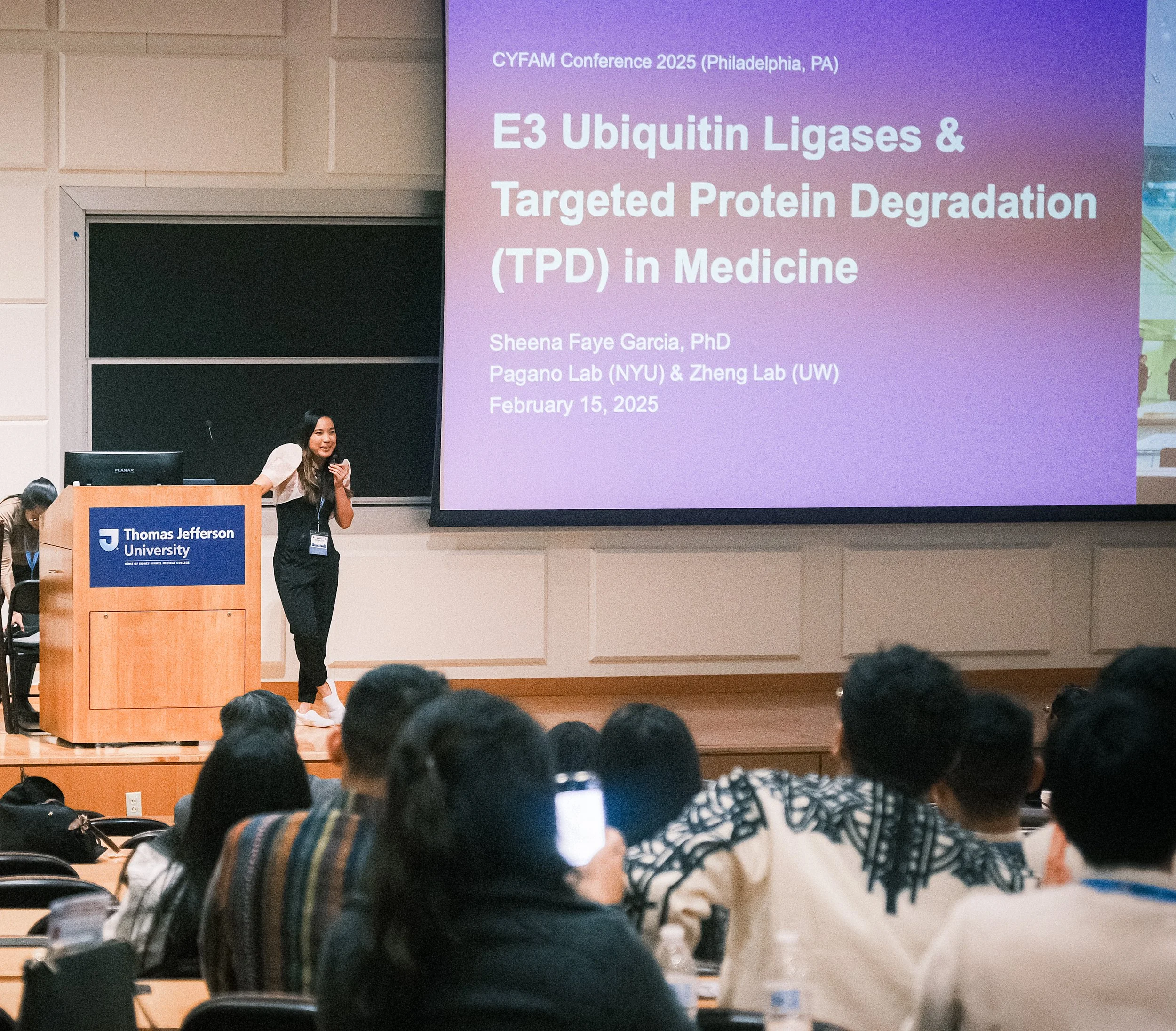
- Recognition of BACH1 Quaternary Structure Degrons by FBXO22 and FBXL17 Under Oxidative StressSheena Faye GarciaNew York University Grossman School of Medicine
- Culturally-tailored cookbook for promoting positive dietary change among hypertensive Filipino Americans: a pilot studyDavid V. PackHealth Research for Action, School of Public Health, University of California, Berkeley
- The angiotensin (1-7) glycopeptide PNA5 reduces cognitive decline in a mouse model with chronic progressive Parkinson's disease through modulation of neuroinflammationJuben L. SaezDepartment of Physiology, The University of Arizona, Tucson, AZ
Poster presentations 14
- Machine Learning for Sleep Disorder Diagnosis: Predictive Models for Idiopathic Hypersomnias and Narcolepsy Using Clinical and Polysomnography DataNatalieDeana Badillo, BEngWeill Cornell Medicine
- Uptake of Tobacco and Electronic Nicotine Product Use Among Second-Generation Immigrant Youth: Findings from the U.S. Population Assessment of Tobacco and Health Study (2016-2019)Angeline Blancia, BSSchool of Nursing, University of California, Los Angeles
- Buhay Ngayon: A culturally-tailored toolkit to improve knowledge, attitudes, and behaviors regarding Advance Care Planning in Filipino American adults in Los Angeles CountyAngela Rose David, MPHUCLA Fielding School of Public Health; Filipino Young Leaders Program
- Rare Tumors in Rare Locations: Navigating Diagnostic Challenges in Supraclavicular Spindle Cell LipomasRon Jako DomingoTouro College of Osteopathic Medicine, New York, NY
- Vascular Tension Gone Wrong: When Sigmoid Herniation Leads to a Mesenteric HematomaDaniel Hahn, OMS-IIITouro College of Osteopathic Medicine, New York, NY
- Telomeres and Age-Related Causes of DementiaAngelina JalaDepartment of Pathology and Laboratory Medicine, Perelman School of Medicine, University of Pennsylvania, Philadelphia, PA
- Advancing Innovation in Cardiac Surgery: Robot-Assisted vs. Conventional Coronary Artery Bypass Grafting Outcomes at Cedars-Sinai Medical Center 2020 to 2024Mariel Aileen Buenavista LansanganCedars Sinai Health Sciences University Graduate School of Biomedical Sciences
- Can higher Fontan and IVC pressures predict liver fibrosis progression over time?Jasmine SantosAhmanson/UCLA Adult Congenital Heart Disease Center; University of the Philippines College of Medicine
- From Cyst to Cancer: Unmasking a Hidden Papillary Thyroid CarcinomaLauren Velasquez, OMS-IIITouro College of Osteopathic Medicine, New York, NY
- Preauricular Leiomyoma: A Rare Presentation of Cutaneous Smooth Muscle TumorLauren Velasquez, OMS-IIITouro College of Osteopathic Medicine, New York, NY
- High Throughput Screening of Small Molecules To Inhibit Mitochondrial Import of Mutant Alanine-Glyoxylate Aminotransferase in Human Cell Models of Primary Hyperoxaluria Type 1Peter FernandezDepartment of Chemistry and Biochemistry, University of California, Los Angeles
- Weaving Filipino Culture into Medical Ethics: A Comic-Based Approach to Representation and Medical Humanities EducationAnne Francine Pino and Amber VinluanPennsylvania State College of Medicine
- An Analysis of Demographics and ASCVD Risk Estimates of Filipinos in the Inland EmpireBradley Ventayen, B.S.California University of Science and Medicine - School of Medicine
- Comparing ASCVD Risk Estimates between Inland Empire Filipino Americans and Ethnicities from the National Health and Nutrition Examination SurveyBradley Ventayen, B.S.California University of Science and Medicine - School of Medicine
Abstract judges
- Gene Ables, Ph.DAssociate Science Director, Orentreich Foundation for the Advancement of Science, Inc. (OFAS)
- Benedicto Borja, MDProgram Director, Psychiatry Residency Training Program, George Washington University School of Medicine
- Kassandra Coronel, MD, PgCertCYFAM Secretary Chair, MGB Resident Community Rotation Supervisor, Harvard Medical School
- Franco Felizarta, MD, FIDSA, FACP, FAPCR, CPI, AAHIVSDirector of the Antibiotic Stewardship Program (HIV & ID Specialist), Bakersfield Memorial Hospital (Dignity Health)
- Lilia M. Fernando-Corpuz, Ph.DAssociate Professor, University of the Philippines, Los Baños
- Antonio Moya, MD, MPHCYFAM Founder & Trustee, Professor of Neurology, Keck School of Medicine of USC
- Vachel Gay V. Paller, Ph.DProfessor, University of the Philippines, Los Baños
- Melissa Palma, MD, MPHClinical Assistant Professor of Family Medicine, Brown University
- Joseph Puyat, Ph.D, M.Sc., MAAssistant Professor, University of British Columbia
- Mericien Venzon, MD, Ph.DPediatric Resident, Physician-Scientist Program, University of California, Los Angeles
- Neil Wingkun, MD, MPHEmergency Physician, Houston Methodist
2024 Research Symposium
- 19 presentations
- 1 award featured
Award recipients
Unique populations of pituitary macrophages regulate reproductive hormone secretion
Presented by Zena Marie Del Mundo, University of California, Irvine · Poster presentation
Read the abstract
- Department of Molecular Biology and Biochemistry, University of California, Irvine
- UCI School of Medicine, University of California, Irvine
Chronic inflammation disrupts hormonal balance in the Hypothalamic-Pituitary-Gonadal (HPG) axis, contributing to reproductive disorders. Despite extensive studies on immune cells in the hypothalamus and ovaries, their impact on the pituitary is largely unexplored. Our research reveals that macrophages are the primary immune population in the pituitary during homeostasis. In response to in vivo chronic lipopolysaccharide exposure in mice, a transient macrophage population emerges, associated with reproductive changes, including elevated serum testosterone, prolonged estrous cycle stage, and reduced ovarian antral follicle count. This study aims to characterize pituitary macrophages and elucidate their impact on the reproductive axis. We hypothesize that pituitary macrophages change inflammatory status as a response to stimuli and, as a result, modulate reproductive hormone secretion. We pinpointed differentially expressed genes (DEGs) in pituitary macrophages using scRNAseq, distinguishing them from other tissue-resident macrophages, including microglia. These DEGs include markers for macrophage activation, phagocytosis, migration, hormone synthesis, and lipid metabolism. Immunohistochemistry validated the distinctive morphology of pituitary macrophages compared to microglia. In vitro depletion of macrophages from mouse pituitaries resulted in decreased pituitary hormone secretion and decreased secretion of G-CSF, IL-9, and CXCL5. These results highlight the role of pituitary macrophages in hormonal regulation, setting the stage for future immunotherapeutic strategies to restore hormonal balance in reproductive disorders.
Keywords: immunology, endocrinology, reproductive disorders
Presenters
See all 19 2024 presentations
Oral presentations 4
- Kapwa Para Sa Kalusugang Pangkaisipan, Filipinx/a/o Community Mental Health in Action: The Filipino Young Leaders Program (FYLPRO) systematic evaluation of Filipinx/a/o community mental health and well-being in CaliforniaMericien Venzon, PhDFYLPRO Tayo; NYU Grossman School of Medicine
- Effectiveness of Benzydamine Hydrochloride + Cetylpyridinium Chloride (Difflam®) Lozenges in Alleviating Sore Throat among COVID-19 Patients: A Real-World Evidence Study in the Clinical PracticeKristine Pearl M. RubiResearch Institute for Health Sciences, University of the East Ramon Magsaysay Memorial Medical Center, Inc., Philippines
- Filipino-Centered Cultural Assessment of Obesity-Related VariablesJacob Less, Nicole Aniceto, and Angela Rose DavidRush University Medical Center
- Advancing the Science of Recruitment in Clinical Research: Focus on Asian American Native Hawaiian Pacific Islander (AANHPI) YouthJulia Noelani JooCrescenta Valley High School
Poster presentations 15
- Unique populations of pituitary macrophages regulate reproductive hormone secretionZena Marie Del MundoUniversity of California, IrvineJudge's Choice Abstract: Overall Highest ScoreRead the abstract
- Factors in Influencing Step 2 CK Success: Shelf ExamsCharissa Alo BSKirk Kerkorian School of Medicine at UNLV
- Gender moderates social media use's effect on psychological distress in California young adultsNeille John ApostolCalifornia State University, Los Angeles
- Relationship between social networks and perceived stress across income levels among U.S. Filipino migrants 1-year post-migrationChristopher Cedric BautistaHealth of Philippine Emigrants Study (HoPES) at the University of California, Los Angeles
- Anxiety Comorbidity and Pharmacology in Black and Hispanic Dermatology Patients: A Retrospective StudyLiana Ysabel A. Bautista B.S.Loyola University Chicago Stritch School of Medicine
- Correlational Study Between Meteorological Variables and Selected Vector-Borne Diseases in the 2nd Decade of the 21st Century in the PhilippinesDiether Rafael E. ElbangcolCollege of Medicine, University of the East Ramon Magsaysay Memorial Medical Center, Philippines
- Racial Disparities in the Utilization of Total Knee Arthroplasty for Surgical Treatment of Knee OsteoarthritisLuigi Gonzales BSUniversity of California, Irvine School of Medicine
- Investigating sources of influenza antigen seniority during the adaptive immune response in tonsil organoidsErika M. JoloyaDepartment of Physiology & Biophysics, Institute for Immunology, UC Irvine
- Understanding asthma health disparities and the effect of acculturation among Filipino AmericansPaul Vincent MedinaCalifornia University of Science and Medicine
- An Online Resource of Filipino-Inspired Recipes for Health Promotion and EducationRommell Noche, MSFrank H. Netter MD School of Medicine at Quinnipiac University, North Haven, CT
- Increasing Urine Drug Screening Compliance Following the Return to In-Person VisitsAmanda PiringJohn Villanueva MD Inc Pain & Spine
- Access to surgical treatment for hepatopancreaticobiliary cancer in the PhilippinesF. Lorenzo Martin A. Puno MD, MBA and Erika P. Ong MDAteneo de Manila University; College of Medicine, University of the Philippines, Manila
- Oral Health Curriculum for Peer Health Educators of a Seven College ConsortiumKarina Quiroz, MS-CHESKeck Graduate Institute, Claremont, CA
- Feasibility of Peer-based Action Observation in Post-amputation Rehabilitation ProgramsJumelle TukayKirk Kerkorian School of Medicine at University of Nevada, Las Vegas
- Intentional Self-Harm Mortality Among 15-24 Year Olds in Asian American Subgroups, 2011-2020Lester Andrew UyStanford Medicine, Center for Asian Health Research and Education
2023 Research Symposium
- 19 presentations
Research Symposium presenters as listed in the 2023 Annual Conference Report.
Presenters
See all 19 2023 presentations
Presentations 19
- The role of Shank3 and zinc in CaMKII translocation by NMDA receptor stimulationGelbert CrescencioUndergraduate/Pre-Medical Student, Amherst College
- Adjunctive PD-1 inhibitor versus standard chemotherapy in recurrent or metastatic nasopharyngeal carcinoma: a systematic review and meta-analysisEdgar Theodore Polintan, MDUniversity of Santo Tomas
- Evaluation of EtOH Abstinence in the Recovery of Neuropathic Evoked Behaviors in a Mouse Model of Alcohol-Induced Peripheral Neuropathy (AIPN)Madison CruzUndergraduate/Pre-Medical Student, Virginia Commonwealth University
- Occupational Stress and Stress Profiles of Rural Health Physicians Under the Doctors to the Barrios Program in the PhilippinesEdward Daniel MortallaMD/PhD Student, Cebu Institute of Medicine
- Cognitive Assessment for Tagalog Speakers (CATS): A pilot studyJessica de Leon, MDUniversity of California, San Francisco
- Gut microbiome dysbiosis in COVID-19 patients is associated with increased risk for bacteremia and microbial translocationMericien VenzonMD/PhD Student, NYU School of Medicine
- Using Extracellular Vesicles from Induced Pluripotent Stem Cell Derived Mesenchymal Stem Cells as a Method of Gene DeliveryPatrick BelenUndergraduate/Pre-Medical Student, University of Southern California
- Clinical Practice Considerations for Recent Filipino Immigrants who have Poor SleepIdda Colcol-LongakitUniversity of Alaska, Anchorage
- Bone scans findings in Patients with Paget's disease of bone associated with Multisystem Proteinopathy 1Rod Carlo ColumbresMedical Student, William Carey University College of Osteopathic Medicine
- Cardiac Surgery in Archipelagic Southeast AsiaJaeny Delos Santos, MDPhilippine Christian University
- Use of the improvement index to evaluate equitable COVID-19 vaccine allocation in the San Francisco Bay AreaRiana Jumamil, MDUniversity of California, San Francisco
- Clinical Characteristics of Filipino Cohorts among Homebound Patients in Southern California: A Study from MedEx Health Network DatabaseGail Jerica Ma, MDMedEx Health Network
- Assessing the Impact of COVID-19 on The Accessibility of Pediatric Genetic Testing, Treatment, and CareAshlee Joan MacalinoMedical Student, University of Rochester School of Medicine & Dentistry
- Structure based design of broad Dengue virus glycoprotein E DIII immunogensMargarette MarianoPhD Student, Albert Einstein College of Medicine
- Sala Talk: Promoting health and health literacy in the Filipino American community in San Francisco's South of Market DistrictMicah Joy San Agustin
- Characterization of Indoor Rock-Climbing Injuries from 2012-2021Brian SangalangMedical Student, University of California, Riverside - School of Medicine
- Social Media Usage Amongst Private Practice Plastic SurgeonsBrian SangalangMedical Student, University of California, Riverside - School of Medicine
- Brain Correlates of Dispositional and Intervention-specific OptimismAgustin Joshua TongsonUndergraduate/Pre-Medical Student, University of California, San Francisco
- Engaging Filipinx American Perspectives on Alcohol Use and Associated Mental Health Issues in Inland Southern CaliforniaKatrina VillavertMedical Student, University of California, Riverside School of Medicine
Your research could be next.
Back to the 2027 Call for Abstracts